Explore Equipment Encyclopedia
Comprehensive technical specifications for professional laboratory glassware.
Featured Learning Paths
Master organic chemistry from fundamental techniques to advanced synthesis.
Latest Lab Insights
In-depth guides, glassblowing secrets, and advanced protocols.
-
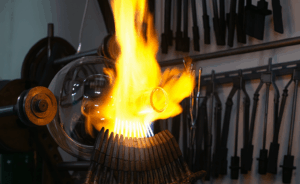
How Ground-Glass Joints Are Made — From Glass Tubing to a Finished Joint
Most people first meet a ground-glass joint in the context of a finished piece of equipment: a condenser, a round-bottom…
-
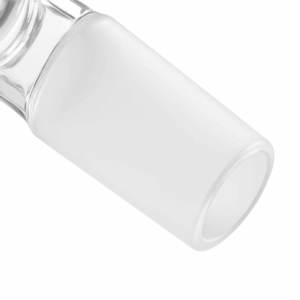
Why Ground-Glass Joints Are Everywhere in Organic Labs — And How to Judge One at a Glance
An entry-level guide for students stepping into the organic lab for the first time. On your first real day in…
-
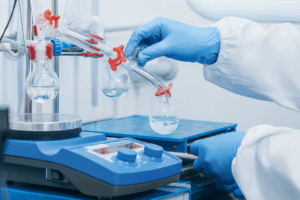
The Two Worlds of Lab Glass: Why Your Organic Chemistry Lab Doesn’t Just Use Beakers
A student-friendly guide to the “two worlds” of lab glass in organic chemistry. Learn the difference between molded and hand-blown…
-

How to choose gloves to protect your skin from chemicals
Not all lab gloves give the same protection. This guide shows how to choose gloves to protect your skin from…
-
How to Protect Your Skin from Chemicals in the Organic Lab
In an organic lab, you need to protect your skin from chemicals, not just your eyes and lungs. Many organic…
-
How a Fume Hood Protects You in the Organic Chemistry Lab (and How to Use It Properly)
SummaryIn an organic chemistry lab, a fume hood is a local exhaust device designed specifically to handle organic vapours, corrosive…
-
How to Check and Retire Damaged Glassware Safely
SummaryBefore you start any experiment, take a moment to inspect your glassware. Any visible crack or chip – anywhere on…
-
Why You Must Never Eat, Drink or Mouth-Pipet in the Lab
SummaryIn a lab, anything that reaches your mouth can carry invisible chemical or biological contamination. Eating and drinking in the…
-
How to Break and Insert Glass Tubing Safely in the Lab
SummaryCutting glass tubing and inserting glass into rubber or cork stoppers are common tasks in teaching labs, but they are…