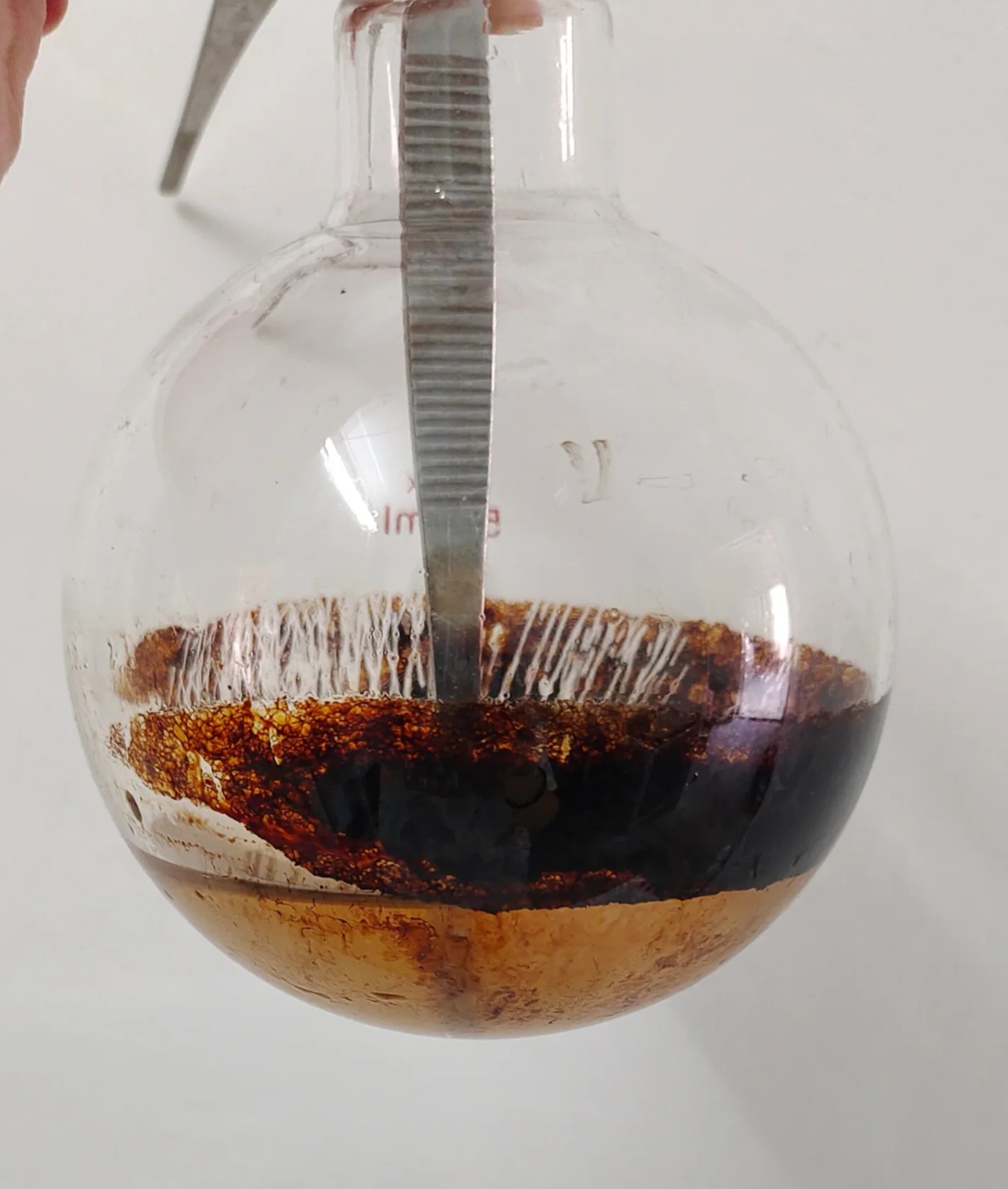
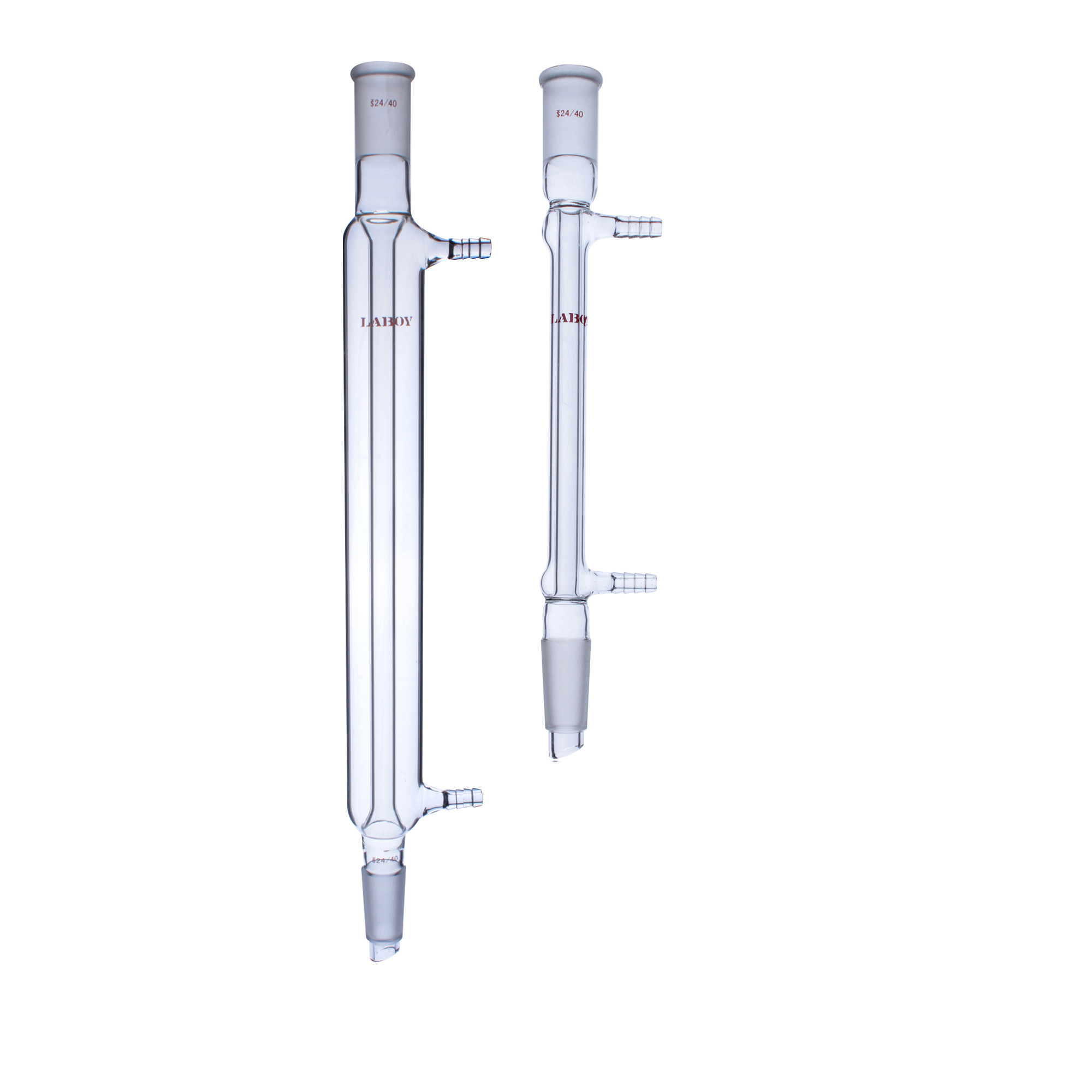
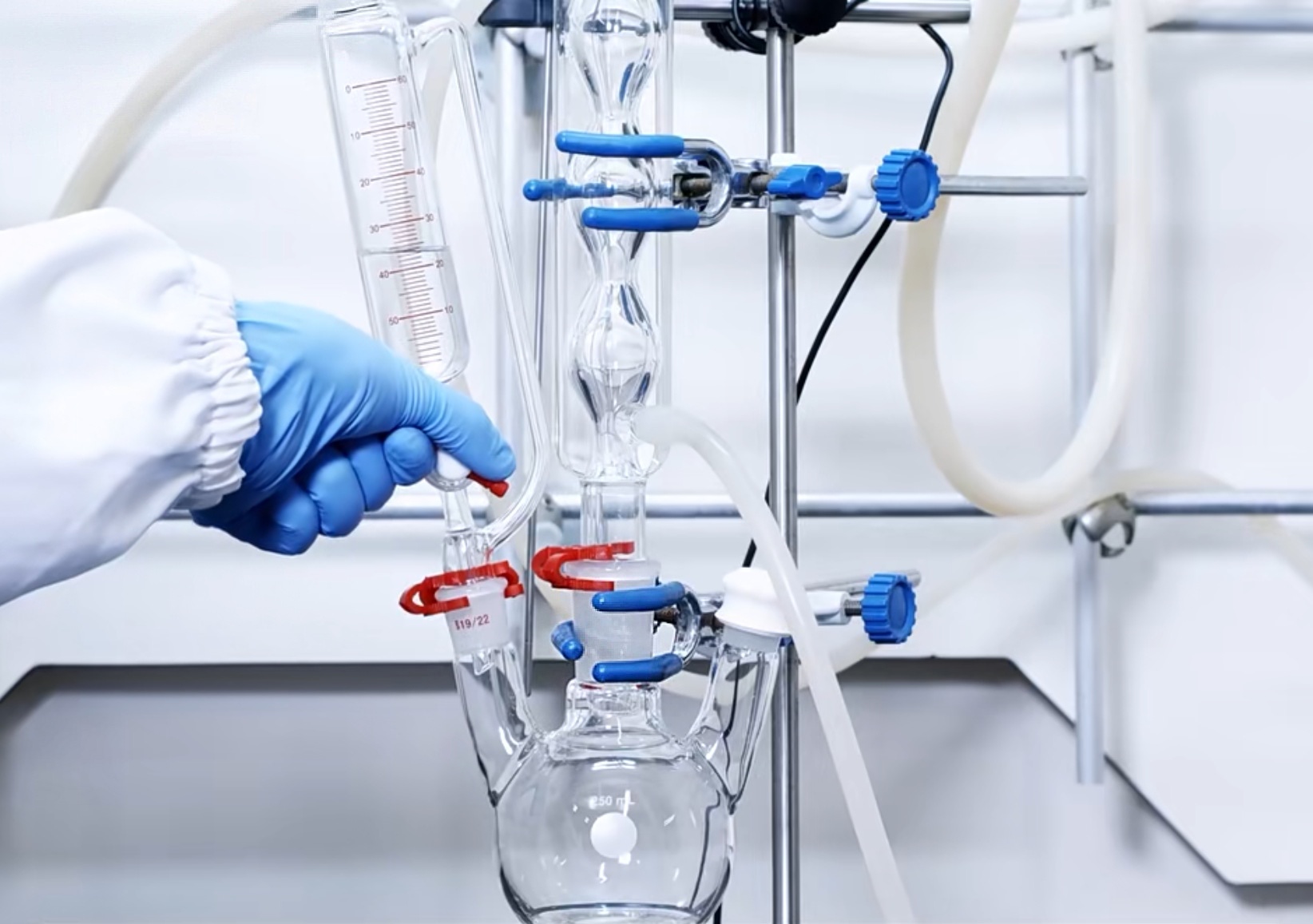
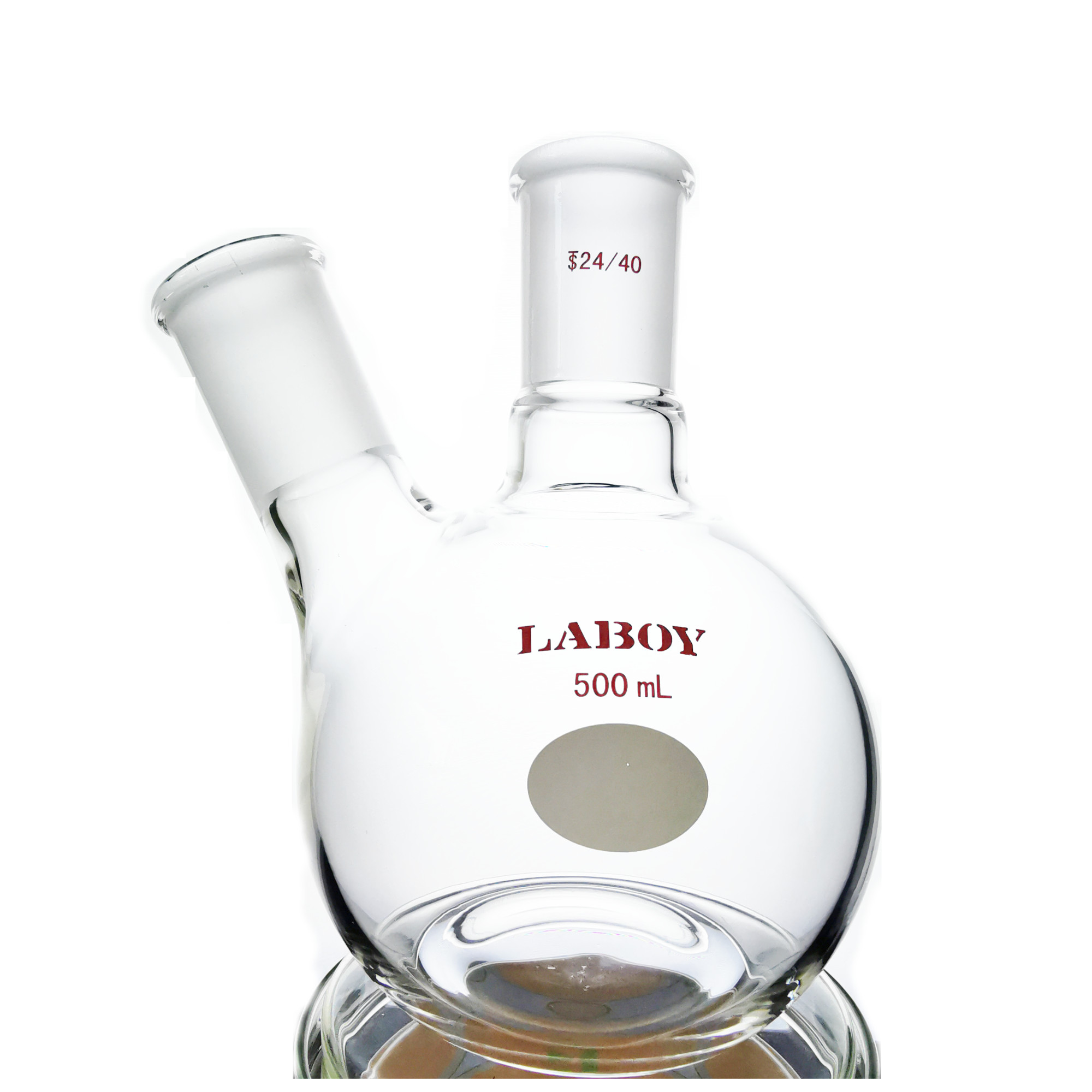
In the laboratory, what spikes your blood pressure the most? For me, it’s not a failed reaction. It’s watching the vacuum gauge refuse to budge, only to discover the culprit is a silently leaking joint hidden in the back. This tiny, overlooked component can easily ruin a whole day of hard work.
Don’t worry. Today, we aren’t talking about complex standard numbers. We are talking about hardcore, practical experience. I’m going to walk you through the art of sealing, the rules of maintenance, and the emergency rescue protocols for “frozen” joints—just like a seasoned lab veteran—so you can say goodbye to the nightmare of leaks.
Part 1: The Art of Sealing – Three Schools of Thought
Applying grease isn’t about “the more, the better.” The real skill lies in choosing the right sealing strategy for your specific experiment.
The Vacuum Grease School: The Classic All-Rounder

Before You Start: Choosing the Right Grease
Selecting the correct grease is just as important as the application technique. Ensure you are using the right type for your experiment:
- Silicone Grease (Recommended): The most versatile option. It has a wide temperature range (−40∘C-40^\circ\text{C}−40∘C to 200∘C200^\circ\text{C}200∘C) and excellent chemical inertness, making it suitable for most reactions.
- Hydrocarbon Grease (e.g., Vaseline/Apiezon): A cheaper alternative, but easily dissolved by organic solvents. Use this only for non-critical, solvent-free, or room-temperature sealing.
Ready to apply? Follow the “Streak Method” guide below for a perfect seal:
Time needed: 2 minutes
Learn the “Streak Method” to seal ground glass joints effectively without contaminating your reaction
- Clean the Joints
Ensure both the inner (male) and outer (female) joints are completely dry and free of old grease or particulate matter. Use a solvent like hexanes if necessary to remove old residue. - Apply Grease Strips
Apply 3 to 4 thin vertical strips of vacuum grease on the **upper half** of the inner (male) joint. Do not apply grease around the entire circumference or near the bottom edge. - Insert and Rotate
Insert the inner joint into the outer joint. Gently rotate the inner joint back and forth. You will see the grease spread and the joint turn transparent.
- Check the Seal
Inspect the joint to ensure a continuous clear ring of grease forms a seal. Ensure no grease has been squeezed out of the bottom into the reaction flask.
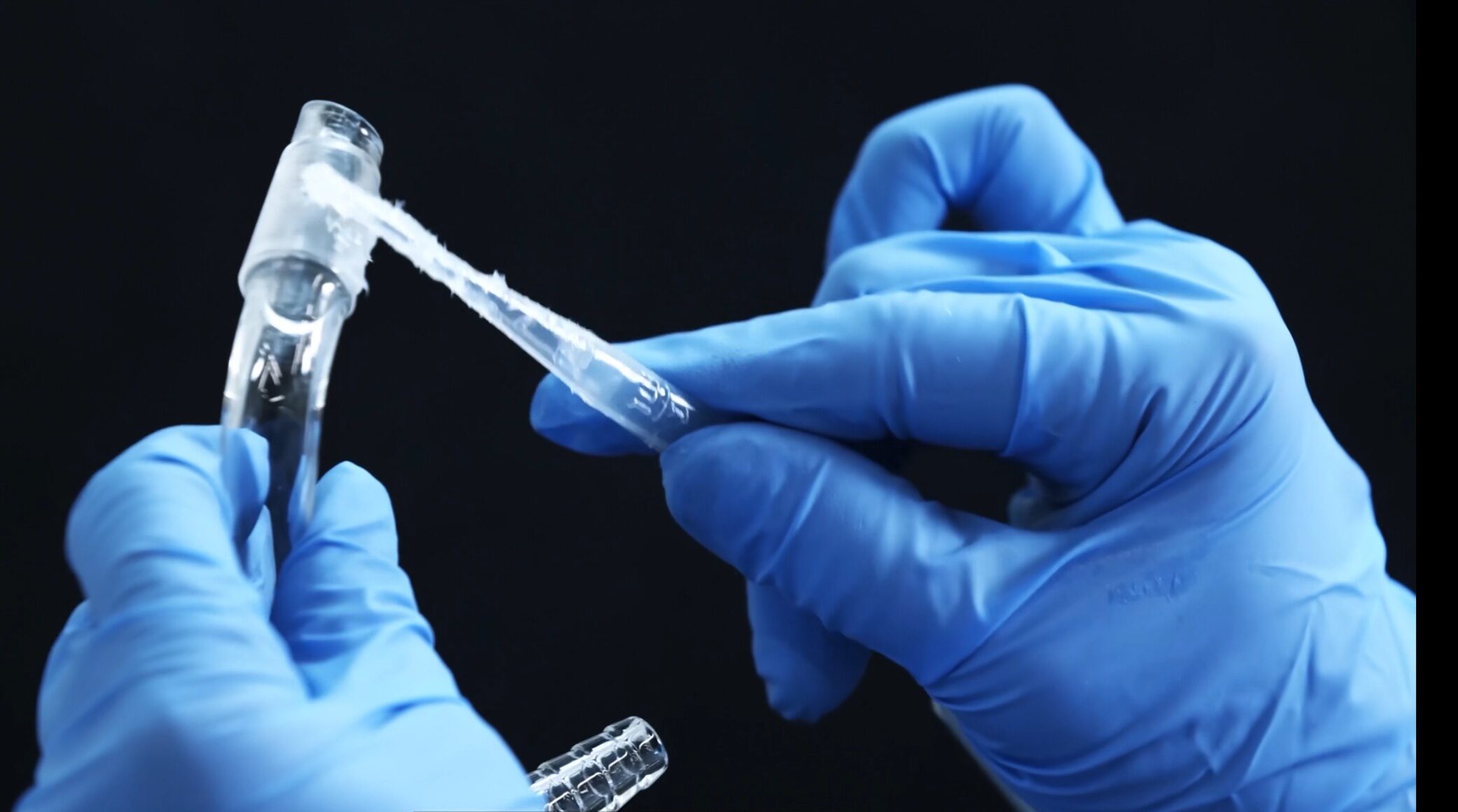
The PTFE Sleeve School: The Clean Freak’s Choice
If you are running reactions extremely sensitive to trace impurities, or you simply hate cleaning greasy glass, this is your answer.
- Pros: Absolutely clean and seize-free. Just slip the PTFE sleeve onto the inner joint and insert.
- Note: The seal is slightly less perfect than well-applied grease, and sleeves can stretch over time, requiring periodic replacement.
The “Running Dry” School: Extreme Operations
When reaction temperatures exceed 300°C, or during ultra-trace analysis, you have no choice but to let glass meet glass directly.
⚠️ SEVERE WARNING: High Risk! Dry joints are extremely prone to permanent seizing (locking up) when heated. The Only Remedy: You must disassemble the apparatus while it is still warm immediately after the experiment. Even then, the risk of seizing is high. Do not attempt this unless absolutely necessary.
To help you choose the right method for your specific experiment, here is a quick comparison:
| Sealing Method | Pros | Cons | Best Application |
|---|---|---|---|
| Vacuum Grease | Most reliable seal; High vacuum capability; Wide temp range (Silicone). | Can be messy; Potential contamination; Hard to clean if hardened. | General synthesis, Distillation, Schlenk Lines. |
| PTFE Sleeve | Absolutely clean; Never seizes; No grease contamination. | Seal is less perfect than grease; Sleeves stretch over time. | Trace metal catalysis; Impurity-sensitive reactions. |
| Dry (Running Dry) | Zero contamination; Withstands extreme heat (>300°C). | High Risk: Extremely prone to permanent seizing. | High-temp reactions (>300°C); Ultra-trace analysis. |
Part 2: Maintenance & Cleaning – Treat It Like a Camera Lens
Remember the Golden Rule: Ground glass surfaces are NOT for scrubbing! Their sealing ability depends on a precise microscopic finish. Any physical abrasion causes permanent damage.
✅ The Do’s:
- Dissolve, Don’t Scrub: Use the appropriate solvent (e.g., Hexane for hydrocarbon grease, Acetone/Toluene for silicone) to soak and rinse the grease away.
- Use Lint-Free Cloths: Use Kimwipes or lint-free cloths. Ordinary paper towels leave behind fibers that cause micro-leaks under vacuum.
- Clean Immediately: Clean the joints while the apparatus is still warm. Old, hardened grease is a nightmare to remove.
❌ The Don’ts:
- NO Abrasives: Never use scouring powder, steel wool, or sandpaper! Once you scratch the ground surface, that piece of glassware is essentially ruined for high-vacuum work.
- Beware of Base Baths: Avoid soaking joints in strong base baths (KOH/Isopropanol) for extended periods. The alkali etches the glass, thinning the joint and destroying the precision fit.
Part 3: Emergency Rescue – The Step-by-Step Protocol
When a joint is truly “frozen” or “seized,” take a deep breath. Do not force it. Follow this sequence, starting from the gentlest method.
🛑 STOP! Critical Safety Warning: Before attempting ANY heating method (Level 3), you must be 100% certain there are no flammable or volatile solvents remaining inside the flask! Heating a closed system with solvents inside will cause a rapid pressure build-up and lead to an EXPLOSION.
Level 1: The Gentle Tap Using a wooden handle (like a spatula handle), tap gently and rhythmically around the circumference of the outer joint while trying to rotate the inner joint. The vibration can often break the “cold weld” between the glass molecules.
Level 2: Soak & Sonicate Apply WD-40 or a penetrating solvent (like Xylene) to the interface gap and let it soak overnight. Placing the stuck part in an ultrasonic cleaner aids penetration significantly.
Level 3: Thermal Shock Utilize thermal expansion and contraction. Use a Heat Gun (preferred) to evenly heat the outer joint (female) to expand it; simultaneously, pack dry ice or ice water inside the inner joint (male) to shrink it. Twist gently when the temperature difference is greatest. Note: Use open flames with extreme caution due to fire hazards.
Level 4: The Final Resort – The Professional If all the above fail, stop immediately. Take the apparatus to a professional glassblower. They can put it through an annealing oven to release the stress safely. This is the safest and most effective ultimate solution.
Part 4: Storage Tips – Details Determine Lifespan
- Don’t Store Locked: Never store glassware with the joints inserted tightly if not in use.
- The Paper Strip Trick: Place a small strip of paper between the inner and outer joints during storage. This prevents the glass surfaces from “biting” into each other.
- Use Clips: Use Keck Clips correctly during reactions to prevent joints from slipping open or falling, but ensure they don’t apply excessive pressure.
Conclusion
Treating your ground glass joints well is treating your experiment well. A set of well-maintained glassware is the most silent, reliable partner in your lab.
We hope this guide helps you clear those hurdles and makes your research run smoother.
Stay Safe, Stay Sealed.
Q&A
The safest method is to tap the joint gently with a wooden piece or heat the outer joint (female) with a heat gun to expand it. You can also soak the joint in a penetrating oil or solvent like ethyl acetate. For stubborn joints, an ultrasonic bath is highly effective. Always wear cut-resistant gloves to prevent injury.
It depends on your application. Vacuum grease provides the best seal for high-vacuum work (like Schlenk lines) but risks contaminating your sample. PTFE sleeves are chemically inert and prevent seizing, making them ideal for standard reactions where contamination is a concern, though they may leak under very high vacuum.
First, wipe off the excess grease physically with a paper towel. Then, use a Kimwipe soaked in a non-polar solvent like hexanes or dichloromethane (DCM) to dissolve the residue. For silicone-based grease, soaking in a base bath (potassium hydroxide in isopropanol) is often necessary for deep cleaning.
Less is more. Use the “Streak Method”: apply 3 to 4 thin vertical strips of grease only on the upper half of the inner joint. When you insert and rotate the joint, the grease will spread evenly to form a clear seal without squeezing out into your reaction flask.
Joints usually seize due to chemical bonding (especially with alkaline reagents), thermal expansion (heating a dry joint), or residue buildup from reaction byproducts. Using a PTFE sleeve or proper greasing prevents the glass surfaces from fusing together.